

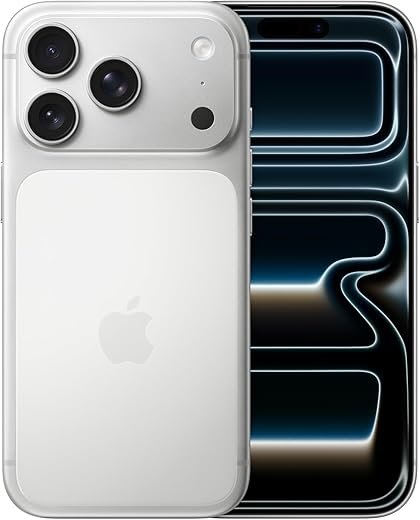
Deep blacks or pocket-friendly pixels — which screen will rule your thumb in 2026?
Screens sell phones. People spend hours staring at them, yet many buy without thinking about panel type. OLEDs deliver punchy contrast and true blacks. IPS panels keep costs low and colours honest in daylight.
Looking for a cinematic display or a budget workhorse? This roundup cuts through the jargon. Short, clear picks for OLED lovers and IPS buyers — no fluff, just the phones that make sense in India right now.
Top Picks
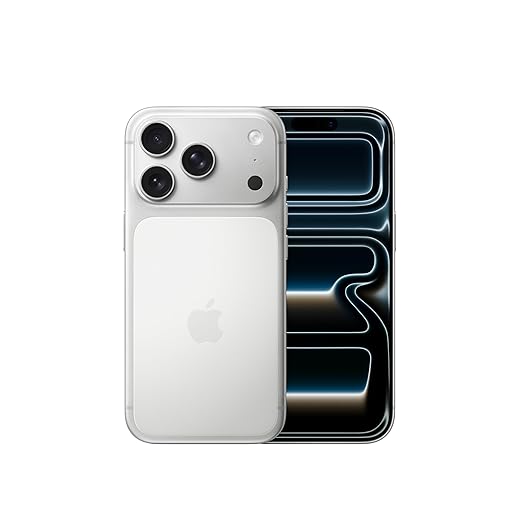
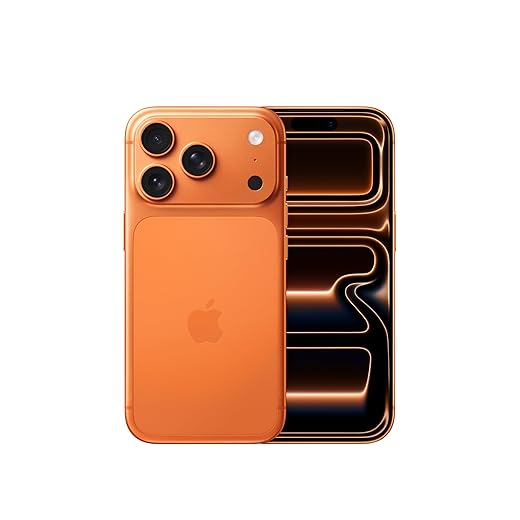




iPhone 17 Pro — premium flagship (Silver)
Delivers pro‑grade imaging, sustained compute performance and extensive platform support in a premium chassis. Great for creators and users wanting a long‑lasting investment, though it comes at a steep price.
Short profile
This silver variant carries the same Pro specifications: top‑tier silicon, a multi‑lens Pro camera suite and a premium build that emphasises durability and imaging. It’s aimed at users who want the best iOS experience in a compact, performance‑focused package.
Important features and benefits
Practical advantages include dependable performance for creative workflows (video editing, multi‑app productivity) and a front camera system that improves framing and vlogging use cases.
Considerations for buyers
The flagship price means you should be sure you’ll use the imaging and performance advantages. Also factor in accessory costs (charger, cases) which are increasingly separate purchases.
Verdict
A top choice for those seeking the best imaging, sustained performance and long software support in an iPhone. For casual users the cost may outweigh the clear advantages.
iPhone 17 Pro — Apple flagship experience
Combines the most powerful silicon with an advanced Pro camera system and long battery life in a premium build. It's an excellent choice for users who want the slickest software experience and long platform support, though at a high price point.
Overview
This Pro model targets users who want the top Apple experience: highest sustained performance, a flexible pro‑grade camera system and long battery life wrapped in premium materials. The package is built for creators, power users and anyone invested in Apple's ecosystem.
Standout features and practical benefits
Users report exceptional image quality across lighting conditions and a front camera designed for better framing and group shots. The combination of hardware and iOS image processing produces consistent results with minimal fiddling.
Considerations
The phone commands a premium price and the lack of a charging brick in the box is still a sticking point for some buyers. If you already own a very recent Pro model, the uplift is evolutionary rather than revolutionary. However, for those upgrading from older iPhones or switching ecosystems, the improvements are substantial.
Practical conclusion
If you need top-tier mobile photography, long software support and the smoothest app experience in iOS, this model is difficult to beat. Budget‑minded buyers or those who prioritise value over peak performance should compare price‑to‑feature trade‑offs carefully.
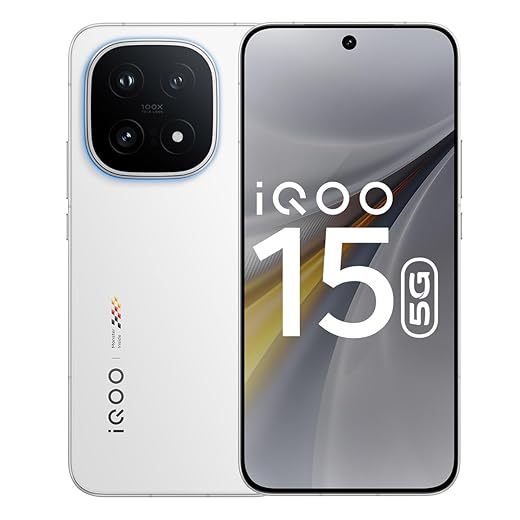
iQOO 15 Legend — flagship performance
Offers class-leading sustained performance and one of the brightest OLED panels available on Android. Excellent for heavy gaming, fast charging and long-term software support, though the very high spec and power draw may be overkill for light users.
What it is and who it's for
The iQOO 15 Legend is positioned as a performance-first Android flagship: it pairs the Snapdragon 8 Elite Gen 5 with LPDDR5X and UFS 4.1 storage, a high‑capacity silicon‑anode battery and an advanced OLED display tuned for extreme brightness. This phone is for gamers, power users and anyone who prioritises raw speed, display brightness and aggressive charging.
Key features and practical benefits
The display’s 2600–6000 nits peak claims make it ideal for bright outdoors and high dynamic range content. Gamers will appreciate the Q3 supercomputing chip and the large vapour‑chamber cooler; real‑world gaming shows long sessions are possible with fewer thermal throttling events than earlier designs.
Limitations and real-world notes
The phone’s price and power characteristics mean it’s not the best value for casual users who mostly browse social media or watch video. Heavy use (high frame‑rate gaming, 2K @ 144Hz) will increase battery drain, so daily endurance depends on usage patterns. Camera hardware is solid (multiple 50MP sensors and a periscope) but you should temper expectations versus imaging specialists like Apple/Google in every scenario.
Bottom line
If ultimate Android performance, an exceptional OLED panel and rapid charging are priorities, this device delivers top‑tier results. For those who want a compact, highly efficient daily driver at a lower price, a mid‑range or smaller flagship might be more sensible.
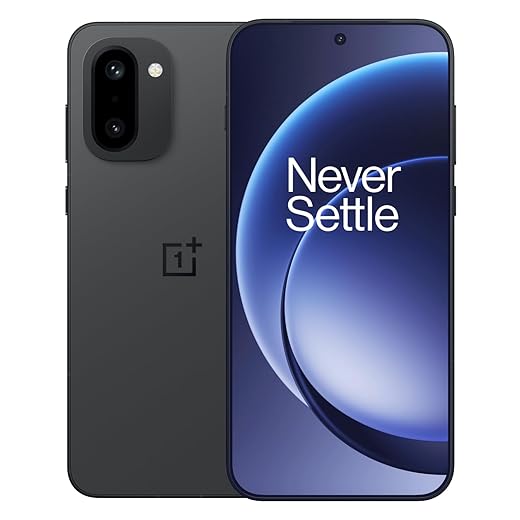
OnePlus 15R — powerhouse for gaming and battery
Combines a very large 7400mAh battery with a high refresh‑rate display and tri‑chip optimisations for gaming. It’s tailored to gamers and heavy multitaskers who want long endurance and smooth input response.
Who this phone suits
OnePlus 15R is built for mobile gamers and power users who prioritise battery life and low‑latency controls. It brings unusually large capacity batteries, high refresh rates, and dedicated chips to optimise network and touch responsiveness.
Highlights and user benefits
Battery longevity and sustained frame rates are the headline wins here. Gamers who stream or play extended sessions will notice fewer interruptions and consistent responsiveness compared with typical mid‑range phones.
Limitations to consider
Photography is OK for everyday snaps but the camera system isn’t intended to compete with flagship imaging experts. The larger battery and cooling hardware add weight and thickness — a trade‑off for endurance.
Final take
If gaming responsiveness and extreme battery life are priorities, this is one of the best choices in its segment. For camera‑centric users or those preferring lighter phones, other flagships may be a better fit.
Samsung Galaxy S24 — compact flagship pick
Offers flagship cameras, dependable performance and a compact, pocketable form factor that many users prefer. It’s a sound choice for someone who wants flagship features without a large device footprint.
Overview
The Samsung Galaxy S24 is the compact member of Samsung’s flagship family — offering high‑end internals, refined cameras and a design that’s easier to pocket and use one‑handed. It suits buyers who prefer a smaller device without sacrificing flagship capabilities.
Key strengths
For many users, the S24 hits the sweet spot: comfortable size, excellent display quality and dependable daily performance. It’s a strong all‑rounder with a polished software experience.
Trade‑offs
Battery may feel modest if you push high refresh rates and heavy gaming; buyers who need multiple days of use without charging should consider larger‑battery alternatives. The compact size also limits battery and speaker size compared to bigger siblings.
Recommendation
For those wanting a refined, compact flagship that performs well in photography and daily tasks, the Galaxy S24 is a safe, well‑engineered choice.
OnePlus 11 5G — balanced flagship choice
Delivers a clean OxygenOS experience with a high‑resolution AMOLED display and a reliable camera system. It’s a strong value if you find it at discounts, offering flagship internals without the highest flagship price.
Positioning and audience
The OnePlus 11 5G is a well‑rounded flagship that blends a high‑quality display, competent cameras and flagship‑class chipset. It’s aimed at users who want flagship speed and display quality without necessarily paying top‑tier flagship prices.
What stands out
In day‑to‑day use it provides fluid UI performance and fast app launches. Photography is solid in daylight though it may not surpass the newest camera leaders in challenging low‑light or dynamic range situations.
Practical notes and limitations
Users upgrading from older mid‑range devices will notice major snappiness improvements, but camera enthusiasts may be disappointed compared to the best camera phones. Battery life is fine for most users but can be reduced at 1440p with heavy usage.
Summary
A dependable, mature flagship experience with fast charging, a great screen and solid performance. It’s especially attractive when priced competitively in sales.
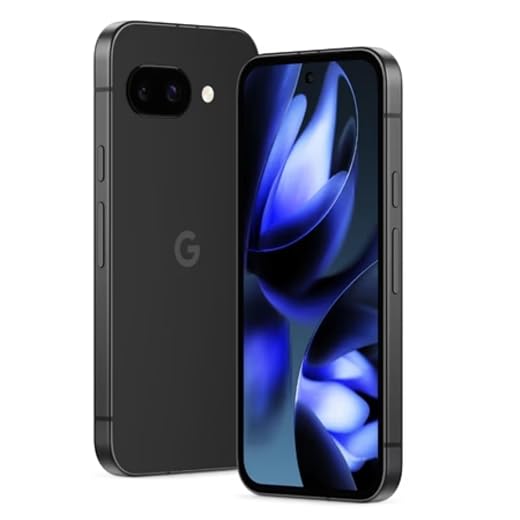
Google Pixel 9A — clean Android, strong camera
Provides a clean Pixel experience with best‑in‑class computational photography and long software update promise. It’s ideal for users who prioritise camera quality and timely updates over flagship raw horsepower.
Who should buy it
The Pixel 9A is aimed at users who want Google’s clean Android, AI features and best‑in‑class still photography without paying flagship prices. It’s particularly valuable for photographers who rely more on software than on multi‑lens hardware.
What it does well
Owners report reliable daily performance and camera results that often outperform similarly priced competitors. Long update support increases the device’s longevity and resale value.
Where it compromises
Charging and battery replenishment aren’t the fastest; the box contents are minimal. Also, physical size and bezel choices may feel dated compared to some bezel‑less rivals.
Final thoughts
If you prioritise photography, clean software and long updates, the Pixel 9A is a compelling mid‑premium option. Evaluate charging expectations and pricing at purchase time to ensure it meets your needs.
realme narzo 90 5G — battery champion
Delivers exceptional endurance with a very large 7000mAh cell and reasonably quick 60W charging. The AMOLED sunlight‑readable display and IP69 build make it a practical, durable daily driver for non‑power‑user buyers.
Who should consider it
This narzo 90 5G aims at users who prioritise battery life, outdoor readability and durability over flagship‑level processing. It's suited to commuters, seniors, students and anyone who wants multi‑day use without frequent charging.
Notable strengths
In real‑world use the large battery translates to multi‑day stamina under light usage and a full day under heavier use. The display’s high brightness is particularly helpful for outdoor photography and navigation.
Trade-offs and everyday impact
While the camera hardware (dual 50MP) is competitive on paper, image processing and ultra‑wide performance remain average compared with premium phones. The processor is adequate for everyday apps but will show limits in sustained high‑end gaming. The plastic back keeps weight down but reduces the premium feel.
Verdict
For buyers seeking unbeatable battery life, a bright AMOLED panel and rugged ratings at a budget price point, this phone is a strong value pick. If you need top‑tier gaming performance or best‑in‑class imaging, consider higher‑end alternatives.
Tecno Spark GO 2 — budget‑friendly all‑rounder
Offers strong feature parity for its price — 120Hz display, IP64 rating and AI regional language assistant are notable. Expect basic daily performance with compromises in camera resolution and premium materials.
Who this is for
The Tecno Spark GO 2 targets budget shoppers who want modern features — a high refresh rate screen, AI language support for Indian languages and a ruggedised IP rating — without paying more. It’s a strong option for first‑time smartphone buyers or as a secondary phone.
Features that stand out
User feedback shows good everyday performance for messaging, social apps and streaming. The AI assistant and carrier aggregation features improve usability in real‑world Indian network conditions.
Limits and expectations
Don’t expect flagship speeds — the UNISOC T7250 is tuned for efficiency and basic tasks. Camera performance and display resolution (HD) are compromises to keep costs down. Quality control may vary across units so inspect device on delivery.
Summary
If you want the most modern-feeling feature set on a strict budget (120Hz, AI in regional languages, IP certification), this phone is a standout. For heavy gaming, premium photography or the smoothest hardware experience, step up to a higher tier.
BLACKZONE Ionix Pro — budget IPS smartphone
Provides unusually high RAM and storage for its price, making multitasking smooth for basic apps. The HD IPS display and older Snapdragon 710 chipset keep costs down but limit gaming and premium imaging capabilities.
Summary
The BLACKZONE Ionix Pro is a budget phone that emphasises memory and storage — 12GB RAM and 128GB ROM — to deliver responsive multitasking on a tight budget. It’s oriented at users who want many apps open, basic content consumption and adequate selfie performance without paying for flagship silicon.
Key strengths and practical use
For students or price‑conscious buyers who prioritise storage and multitasking, the device offers good value. Out‑of‑the‑box responsiveness is often better than similarly priced competitors with lower RAM.
Limitations and buyer advice
The Snapdragon 710 is an older mid‑range SoC that will struggle with modern, graphically intensive games and heavy camera processing. The HD+ panel reduces sharpness compared with higher‑resolution rivals. As a new or smaller brand, buyers should check warranty, service network and review sample units where possible.
Final take
If storage and RAM are your primary needs and you can accept compromises in display sharpness and gaming capability, this is a budget‑friendly option. For stronger longevity and gaming, consider phones with newer chipsets and higher‑resolution displays.
Final Thoughts
Best OLED (overall): iPhone 17 Pro — Choose this if you want the best all-round OLED experience in 2026. Strengths: pro-grade cameras, sustained performance, premium build and long platform support. Ideal for creators, professionals and anyone who keeps phones for several years and values imaging, color accuracy and deep blacks.
Best IPS (budget pick): BLACKZONE Ionix Pro — Pick this if your priority is value and multitasking on a tight budget. Strengths: unusually large RAM/storage for the price and smooth basic app use. Ideal for students, first-time smartphone buyers and anyone who needs roomy memory without paying for flagship screen tech.
Quick Android OLED alternative: iQOO 15 Legend — If you want an Android phone with a top-tier OLED for gaming and brightness without leaning into the Apple ecosystem, the iQOO 15 Legend is the power-packed choice.




Help! Torn between OnePlus 11 and Samsung Galaxy S24 (the compact). I like a smaller phone but also want clean software and good cameras. OnePlus seems great value, S24 feels premium. Any real-world comparisons from owners?
I own a OnePlus 11 — fast, smooth, and good camera; but S24’s low-light photos were a tad better when I compared briefly.
Also consider service network and offers — sometimes discounts on OnePlus or trade-ins on Samsung can swing the decision. Try both in a store if you can to check feel and size.
If pocketability and a refined camera experience in a compact form are top priorities, the Galaxy S24’s compact form factor and polished camera system are hard to beat. OnePlus 11 offers great value, performance, and a clean UI at a lower price — more bang for buck. Choose S24 for small size + polish; OnePlus 11 for value + performance.
Surprised by Tecno Spark GO 2 being on the list — 120Hz, IP64, AI for Indian languages at that price? That’s wild.
Can it actually replace an entry-level Samsung or should buyers still avoid it for daily photography? Thinking of gifting it to my cousin who only uses WhatsApp and YouTube.
For basic users (WhatsApp, YouTube, calls), Tecno Spark GO 2 is a fantastic budget pick with modern conveniences. Cameras won’t match Samsung’s midrangers or Pixel, but for social media snaps and everyday tasks it’s excellent value. For a gift, it’s a sensible, cost-effective choice.
Good point, Sofia — service network is worth checking before buying, especially for budget devices.
Also check warranty/service availability. Some budget brands have limited service centers in smaller towns — that matters if your cousin is not near a city.
I’ve had similar budget Tecno devices for relatives — they handle messaging and streaming with no fuss. Just don’t expect great low-light photos.
I keep circling back to the iPhone 17 Pro. As someone who mostly photographs my kid and wants software updates for years, it’s tempting.
But the price is steep and I’m wondering if the Pixel 9A could be ‘good enough’ and save a lot of money.
Does anyone here use iPhone for pro-level editing vs Pixel for quick social shots? How big is the real-world camera gap?
Would love a straight answer — I’m not a techie, I just want beautiful photos that don’t need much fiddling.
Also consider storage needs — 256GB on the iPhone helps if you keep lots of photos. Pixel has cloud perks but watch backups if you want local files.
Short answer: iPhone 17 Pro gives more consistent, pro-grade results straight out of camera (and better raw editing support), especially in tricky lighting. Pixel 9A’s computational photography is excellent for everyday shots and will save money, but you won’t get the same level of flexibility for pro edits. If long-term OS support and best-in-class imaging are priorities, iPhone is the safer pick.
I switched from Pixel to iPhone recently — for family photos the iPhone 17 Pro just nails colors and dynamic range. But if you mostly post on IG and don’t edit RAW, Pixel 9A will be more than fine and much kinder to your wallet.
Ah yes, the eternal iPhone premium debate. Pay more for the logo, or pay less and pretend you don’t see the notch? 😂
Seriously though, are people still buying iPhones primarily for status or are the hardware and software benefits actually worth the price hike in 2026?
If resale value and updates are key, iPhone still wins. If you want features for the money, Android flagships like the iQOO or OnePlus line can be smarter buys.
I got an iPhone for reliability and family integration (FaceTime, iMessage). Not about flex for me — it just ‘works’ across devices.
Haha — it’s both. There’s still a status element, but many buyers choose iPhone for the long-term support, camera system, and the app ecosystem. For some, the deeper integration and resale value justify the premium; for others, top Android flagships often offer similar hardware value at lower prices.
OnePlus 15R with 7400mAh battery and 165Hz display sounds like a dream for gamers who hate charging every few hours. But does the UI get bloated with all the “personalised AI” features? Also curious about real-world weight — 7400mAh usually means a chunky phone.
OnePlus’ personalised AI comes as optional features — you can disable most if you prefer a cleaner UI. The battery pack does add heft, but the ergonomics are still reasonable for a 7400mAh phone. If you value battery and gaming, it’s an excellent compromise.
I own a big-battery phone and yes, it’s a bit heavier but the all-day endurance is glorious. For flights and long days out, I wouldn’t go back.
Realme narzo 90 with 7000mAh and 4000 nits brightness caught my eye. I live in a sunny city and struggle to see screens outdoors. Does its AMOLED really perform like flagship OLEDs in strong sunlight? Also how’s the camera for daily selfies?
Realme’s narzo 90 AMOLED is very bright and designed for sunlight readability, so it’s among the best at its price in that regard. It won’t match flagship OLED peak brightness in every scenario, but for most outdoor use it’s excellent. Selfie and main cameras are good for social media — not flagship-grade, but solid for daily use.
I used narzo outdoors and it was easy to read even at the beach. Selfies are decent with good lighting; low light isn’t spectacular but not terrible either.